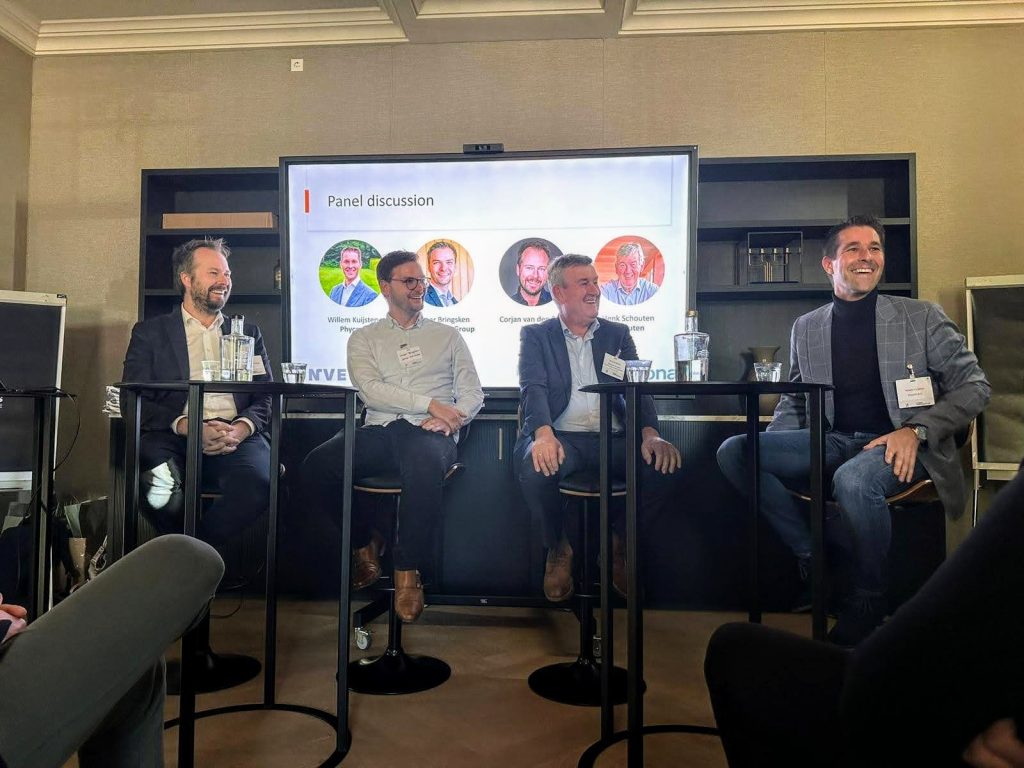
On October 3, 2024, Invest International, in collaboration with Invest-NL, hosted “Getting to the Meat of It: Commercial Pathways for Alternative Protein”. While Invest-NL focuses on supporting innovations through equity investments within the Netherlands, our role as Invest International centers on financing companies to expand globally. This event was organized because we recognize the critical role alternative proteins play in the future of food systems.
This event aimed to bring together start-ups, scale-ups and corporates to explore the practical challenges of scaling up and commercializing alternative proteins, as well as to share insights on how businesses in this field can succeed.
For those working in the alternative protein sector, here are four key insights from the event that can help you navigate the commercialization challenges and position your products for success:
1. Collaborating with corporates can help you scale, but successful partnerships require alignment in values and goals.
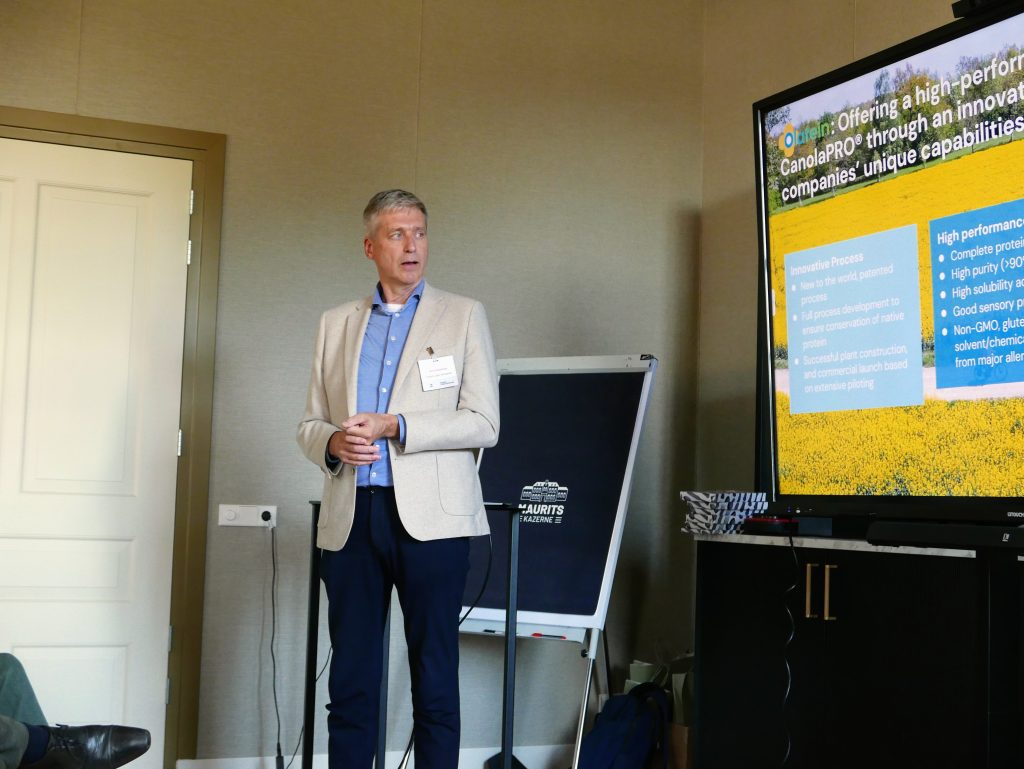
Wim Hilbrands, CEO of Olatein, dsm-firmenich, stressed that startups looking to scale should seek out partnerships with corporates in the alternative protein industry. Corporates bring the infrastructure, commercial skills, and financial health needed to scale up production. However, successful partnerships require more than just financial support—they depend on strong alignment of values, shared goals, and mutual respect.
Hilbrands gave various tips on creating a successful collaboration between startups and corporates:
- Try to maintain balance in these collaborations: One example of imbalance is when a startup sends just two people, including the CEO, to meet with a large corporate team of ten, often made up of middle managers. This can create a disconnect and can undermine the partnership. To avoid this, make sure that personal connections are built between the key project owners on both sides, and explicitly address the need for balanced representation in meetings.
- Prepare for shifting priorities: Another challenge for startups is that corporate strategies or priorities may shift over time, leading to misaligned interests. To protect your businesses goals, set clear milestones, conduct regular reviews, and agree on moments when you can reassess the collaboration or even decide to end it if needed.
- Consider exclusivity carefully: Corporates may also push for exclusivity, while you may prefer to maintain independence. Only agree to exclusivity if it’s critical to the success of the partnership or if you have no other choice. Be sure to define goals together at the outset—this is crucial to avoid different interpretations of what success looks like down the road.
- Align timelines and expectations: Lastly, keep in mind that corporates often have a higher tolerance for setbacks and can work with long-term business plans, whereas startups usually need quicker results. To bridge this gap, focus on setting intermediate results based on value inflection points, ensuring both parties stay aligned while moving forward.
2. To get your products into retail stores, you need strong branding and marketing investment.
Breaking into the retail market is one of the toughest hurdles in this industry. Retailers are cautious about stocking new products because they don’t generate high revenue right away. To succeed, you must invest significantly in branding and marketing. Retailers are highly commercially focused, and a strong product pitch backed by a robust marketing plan is essential. Additionally, retailers are increasingly prioritizing sustainability, so positioning your alternative protein products as a solution to reducing carbon footprints can give you an edge.

3. Innovating your processes and products is crucial to staying competitive in the alternative protein industry.
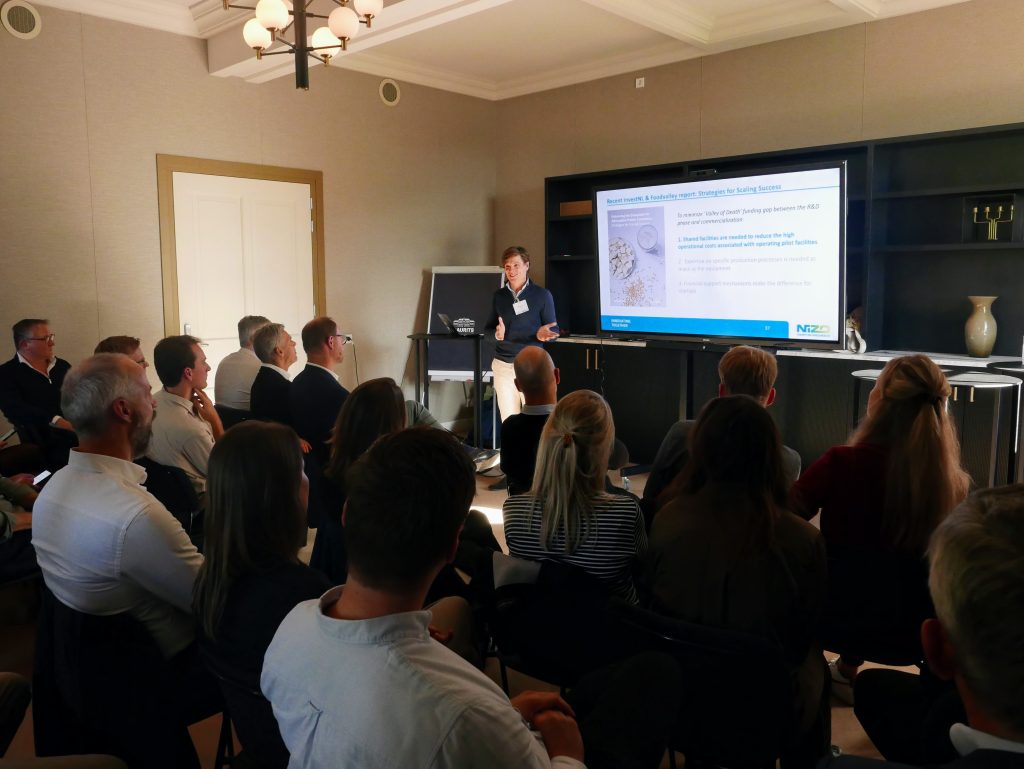
Innovation is at the heart of success in the alternative protein space. As Nikolaas Vles, CEO of NIZO, shared at the event, the ability to improve your processes and products is vital. From protein chemistry and functionality to flavor, texture, and safety, companies must develop products that are not only nutritious but also meet consumers’ high expectations for taste and sustainability. Partnering with experts who understand both traditional and novel protein sources, like NIZO, can be invaluable in helping you refine your offerings and stay ahead of the competition.
4. Hybrid products provide a great opportunity to ease consumers into alternative protein.
The customer journey to alternative proteins is not a smooth one. A way to ease consumers into the alternative protein space is by offering hybrid products that combine traditional and alternative proteins. This approach allows businesses to gradually introduce alternative protein options while catering to familiar tastes and textures, making the transition smoother for consumers and increasing acceptance of plant-based alternative.
This is an opportunity for an intermediate step towards alternative protein products. Since these products are made from real meat, their taste and texture align with consumer expectations. This presents a significant business opportunity, as widespread adoption of these products could not only meet consumer demand but also drive substantial growth in the market, all while contributing to a notable reduction in overall meat consumption.

Invest International’s role in supporting the alternative protein industry
At Invest International, we are committed to supporting the transition of the agrifood system. We therefore support Dutch businesses in the alternative protein sector by providing tailored financial solutions and expertise. Whether through investment loans, export finance, or equity, we enable companies to scale their innovative solutions globally. We focus on projects that align with global sustainability goals, particularly those that reduce greenhouse gas emissions and ensure food security. When traditional financing routes fall short, we fill the gap to ensure that pioneering solutions like alternative proteins can reach the market and make a meaningful impact.
If you’re looking to take the next step in your alternative protein journey, find out how we can support you with our finance solutions.