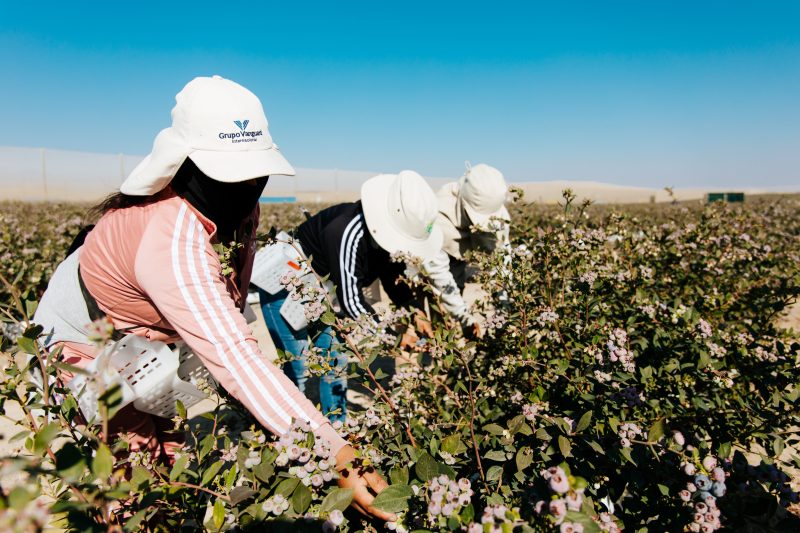
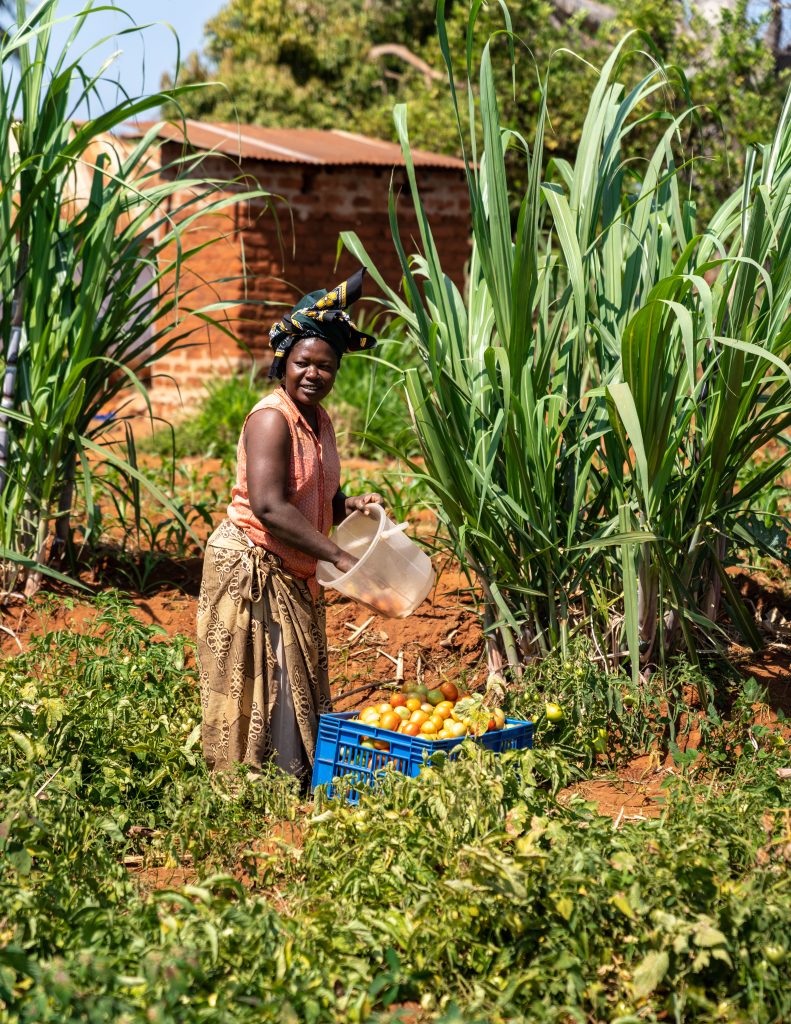
When The Ketchup Club was founded, the ambition was clear: create a business that reduces food losses for smallholder farmers while strengthening local economies in emerging markets. In Kenya, the company partnered with 110 smallholder farmers, to produce tomatoes and mangoes for their ketchup, introducing regenerative farming practices that not only improved harvest outcomes but also laid the foundation for lasting systemic change.
With support from Invest International’s Dutch Good Growth Fund (DGGF), The Ketchup Club was able to develop a fair and equitable value chain. Although The Ketchup Club eventually struggled to scale commercially, the impact they left behind is profound and still growing.
We spoke to co-founder Anne Janssens about The Ketchup Club’s journey, the lessons learned, and the powerful ripple effects that continue to unfold in Kenya.
Interview with Anne Janssens, co-founder of The Ketchup Club
Looking back, what was your original vision for The Ketchup Club?
We started with the mission to reduce post-harvest losses for smallholder farmers in developing countries. In countries like Colombia, Sri Lanka and Kenya, these losses are enormous. Developing countries produce about a third of the world’s fruits and vegetables, but around half of that is lost after harvest. These numbers come from the latest UN data.
Since 70% of people in these countries are smallholder farmers, their income depends on the sale of fruits and vegetables. When large parts of their harvest are lost, it’s not just food that’s wasted; it’s also income. This creates an income instability that traps farmers in poverty. They never know how much they will sell tomorrow. One day they sell everything, the next day nothing. Markets are highly volatile, and transport losses during distribution only make things worse.
Can you give some examples of how this instability plays out?
Take mangoes, for example. Mango season lasts just two to three months. All the mangoes ripen at once, causing oversupply and not enough market demand. The rest of the year, there’s a lack of mangoes available. Most farmers have no facilities for storage, drying, or cooling, so on average 50% of their mangoes are lost.
For tomatoes, it’s similar. Farmers plant seeds, harvest once, and then replant. In Kenya, almost all farmers harvest at the same time because of traditional planting cycles linked to rainy seasons. With a bit of technique, they could harvest year-round, but traditions are deeply rooted. As a result, about 40% of the tomato harvest is lost.
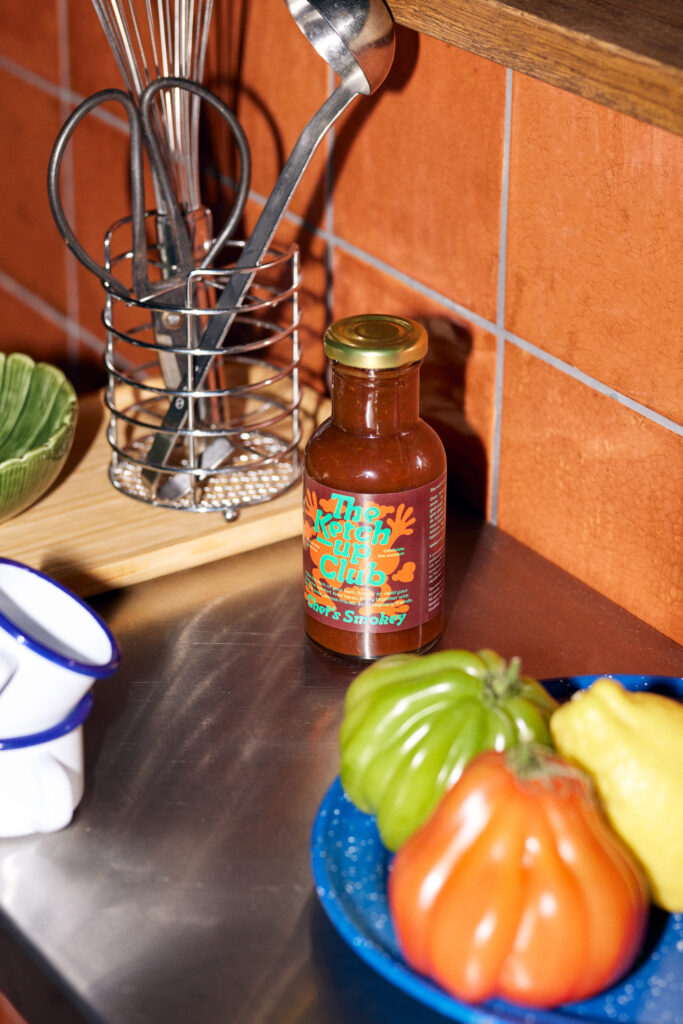
So the ketchup itself was almost secondary to the mission?
Yes, while we loved creating new food products (we are foodies at heart) 80% of our time, money, and attention went into developing the value chain and stimulating the local economy.
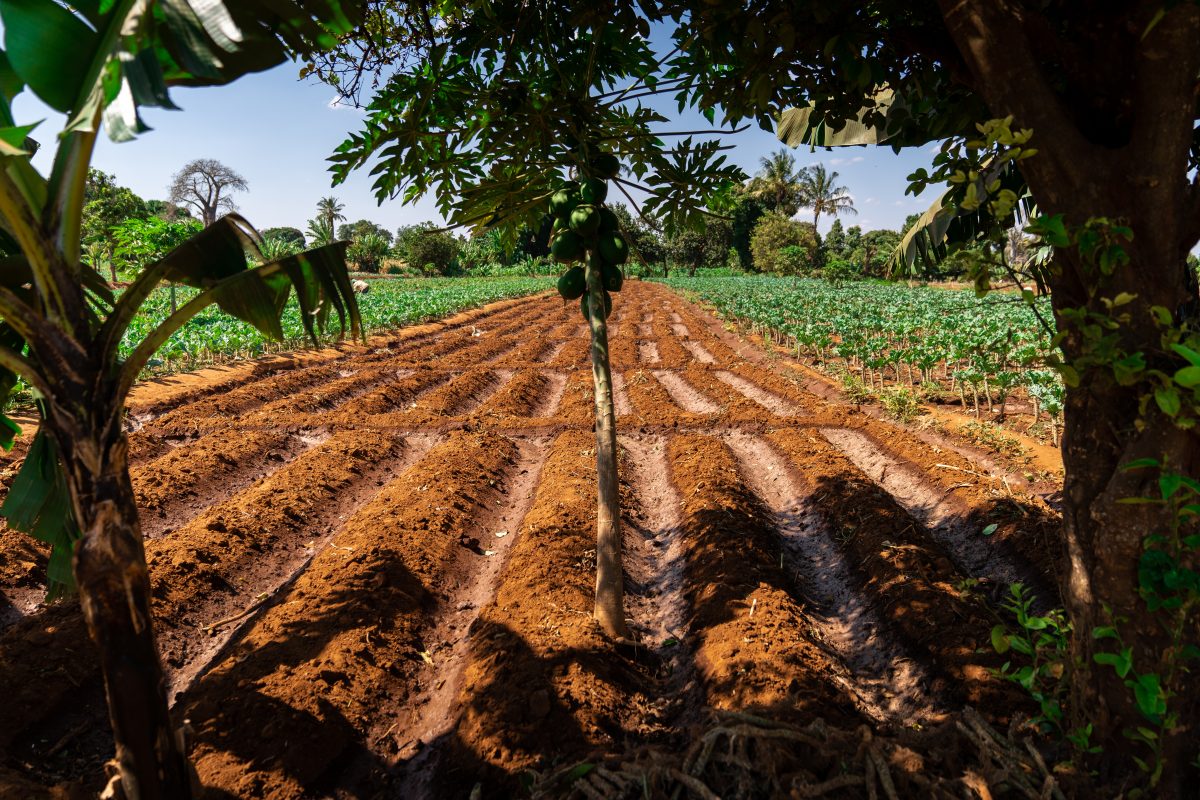
Along the way, we discovered another important area for impact: farming practices. Because soil health was declining due to fungicide and pesticide use, we saw an opportunity to introduce simple regenerative farming practices.
We practiced crop rotation. No large fields of monoculture anymore. Instead, we grew tomatoes, baby corn, and onions side by side. The crops protected each other, surrounded by banana trees. That created ideal conditions for the tomatoes to grow, and the impact was huge. We also started making our own compost. Nature became so much more resilient, and the tomato harvest increased significantly. We had 2.5 times more tomatoes per plant than before we started training the farmers. And we never had any issues with pests!
Transitioning to regenerative farming isn’t a quick fix. It’s not a five-week training, it’s multi-year support until new practices become traditions.
How did the farmers respond to these new practices?
It took time. Farming traditions are deeply rooted, and rituals play an important role in these communities. At first, the idea of year-round harvesting or regenerative farming was hard for many farmers to accept. But once they saw the results of healthier crops, better income, resilient soil, they fully embraced it. And this is what they are still implementing now.
Due to the amount of time it took, having upfront investments from partners like Invest International and Stichting DOEN was critical. Transitioning to regenerative farming isn’t a quick fix. It’s not a five-week training, it’s multi-year support until new practices become traditions.
Now, the farmers are deeply committed to these methods, and the movement has grown beyond our original group. In fact, the local county government got involved, providing incentives for other farm groups to adopt regenerative practices. Today, there’s even a national program in Kenya focused on regenerative farming. So, our work really turned out to be a flywheel for regenerative agriculture in Kenya on a national level.
What were the biggest challenges you faced along the way?
Building a viable business model for The Ketchup Club itself was a major challenge. We invested heavily in developing the value chain and paying farmers fair prices, which made it tough to compete with established FMCG brands like Heinz. Our costs were higher, our scale was smaller, and the ketchup market is very conservative; 70% of consumers stick to the brand they know. On top of that, marketing requires big investments.
If you could do it over again, what would you have done differently?
I would have put more focus on our own business model, investing in branding and sales early on. You also need a bit of luck. We did eventually invest in rebranding and got our ketchup into Albert Heijn, but it wasn’t enough to scale sustainably.
Despite the outcome, what are you most proud of?
I’m proud that my co-founder Birte and I stayed true to our values. We genuinely wanted to make a positive impact, and everything our brand stood for, we lived by.
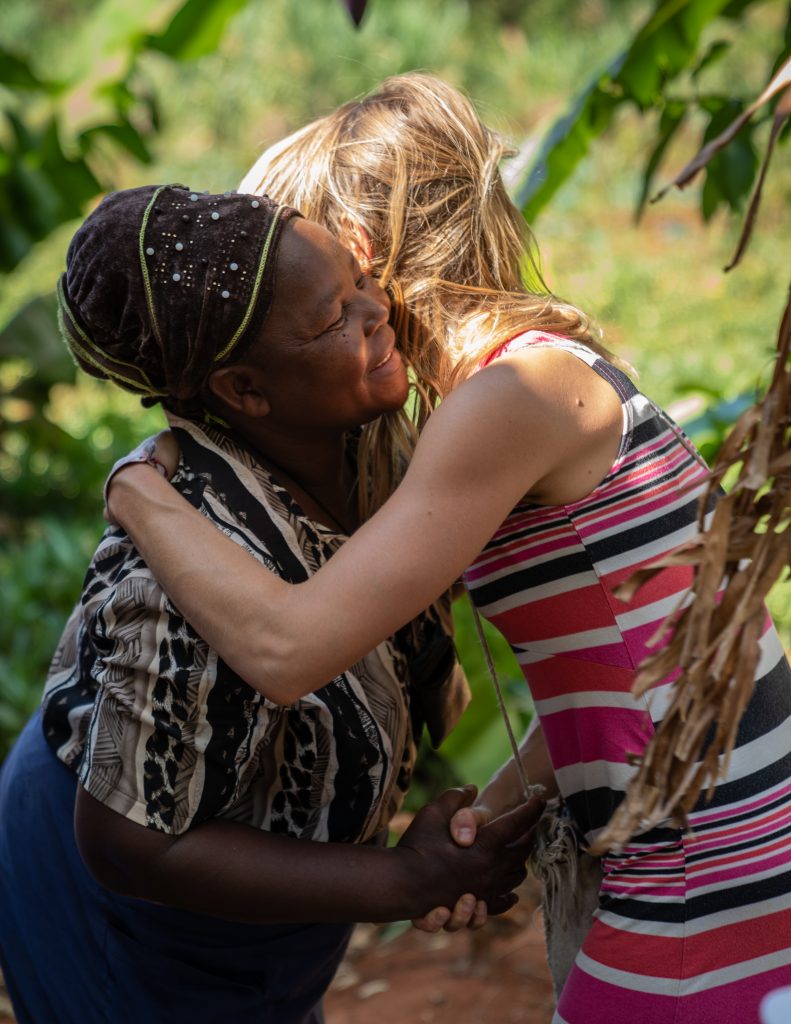
I’m also proud of our team in Kenya; the farmers, the coordinators, the agronomists, and food technologists who believed in our mission. Their dedication made everything possible.
Often, women start businesses driven by values and a desire to make an impact, that’s a great strength. If you combine that with courage to put yourself out there, you can make a big difference.
What advice would you give to entrepreneurs with a similar mission?
Stick to your values but be realistic. Make sure your business plan is solid and prepare for setbacks. There will be many. I often felt we might have to stop, but we always found ways to keep going. I recommend building a worst-case scenario into your plan, because that may well be the scenario you face. But if you’re prepared, you can push through.
Do you have any advice specifically for female entrepreneurs?
In Kenya, we didn’t face major issues as women. In fact, many of our farmers, factory workers, and managers were women. But for Dutch or European female entrepreneurs, my advice is: don’t let yourself be held back by uncertainty or challenges. Often, women start businesses driven by values and a desire to make an impact, that’s a great strength. If you combine that with courage to put yourself out there, you can make a big difference.
At Invest International, we are proud to have supported The Ketchup Club’s journey through our Dutch Good Growth Fund (DGGF) investment. Even though the business itself didn’t scale, the ripple effects in Kenya, economically, socially, and environmentally, continue to grow. This is impact that lasts.
Are you building a business that drives positive economic, societal and environmental change?