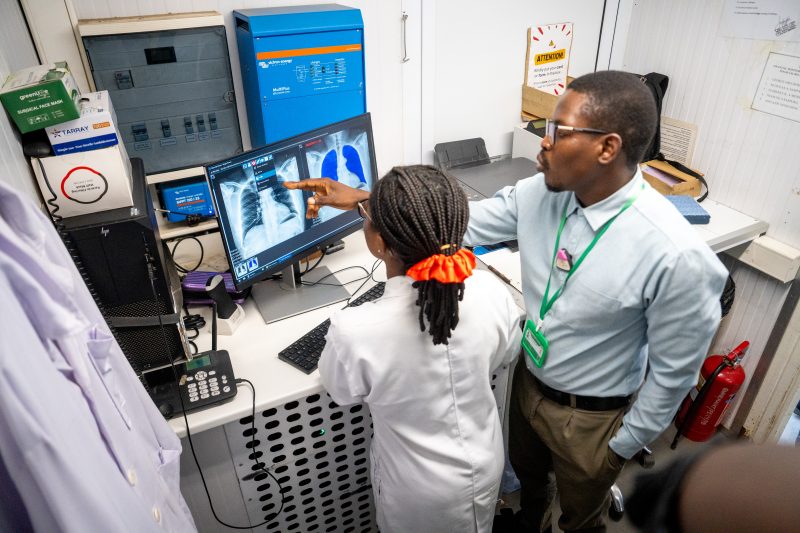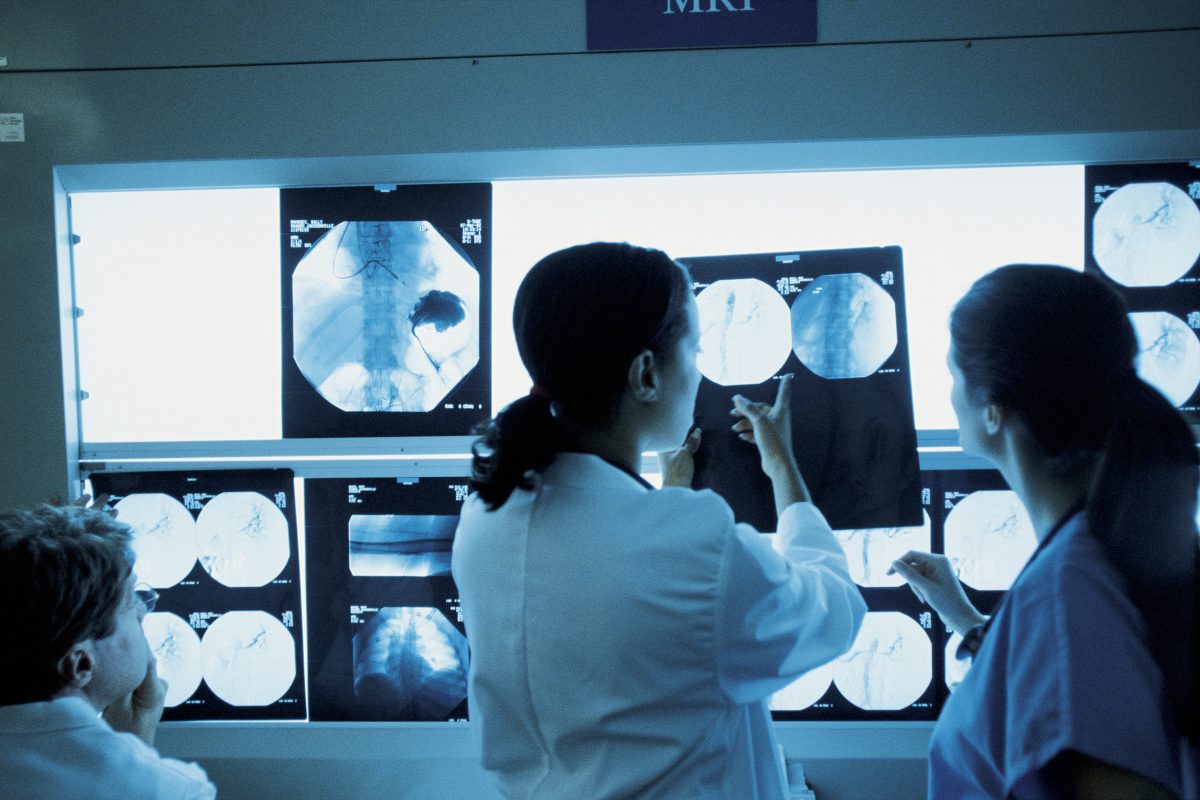
The Netherlands is a global leader in diagnostics, driven by dynamic collaboration between businesses, knowledge institutions, and government bodies—both domestically and on the international stage. This collaborative environment has nurtured a strong foundation for innovation, positioning the country as a hub for advanced diagnostics technologies.
The Netherlands as a leader in diagnostics
Philips plays a central role in this success. As a leader in diagnostics and patent filings, the company has developed leading capabilities within this area. Such innovation also stems from the legacy of Philips’ Natuurkundig Laboratorium (Natlab), which historically drove groundbreaking technologies and drove the culture of in-house research. This emphasis on in-house R&D not only laid the groundwork for Philips’ success but also played a role in making the Netherlands a diagnostics powerhouse.
Dutch universities benefit from Philips’ expertise through sponsored professorships, which foster cutting-edge knowledge and produce a pipeline of highly skilled professionals. While many graduates join Philips, others launch new diagnostics ventures, creating fertile ground for innovation and business opportunities across the sector.
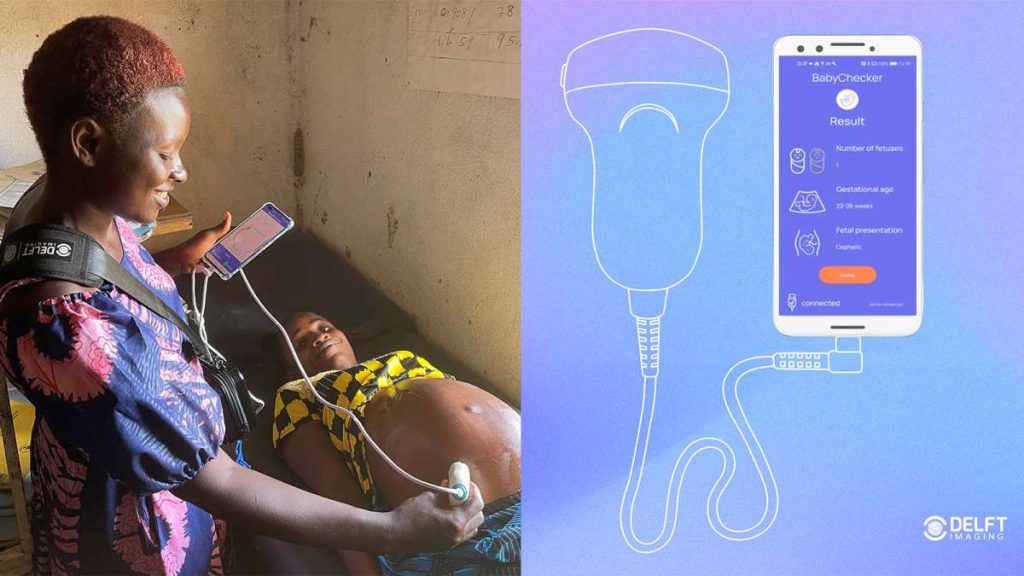
The Netherlands also benefits from Philips’ extensive intellectual property (IP). The company is willing to license or sell IP, opening doors for new companies to develop advanced diagnostics technologies. One example is the broadening application of ultrasound technology for diagnostics, which offers a less invasive and more cost-effective alternative to CT or MRI scans. This technology is particularly advantageous for use in remote or hard-to-reach areas, where traditional devices may be impractical or too invasive for patients.
Globally, Dutch diagnostics companies are making a significant impact. Delft Imaging—a company supported by Invest International—is a leader in tuberculosis screening, addressing critical healthcare needs, particularly in Africa. Philips also leads in the development of helium-free MRI scans, which require minimal amounts of this rare, difficult-to-process element for cooling. In addition, Philips is advancing mobile diagnostic solutions, such as relocatable and mobile MRI units, bringing imaging services closer to patients in remote and crisis-affected areas. These innovations place Dutch companies at the forefront of global diagnostics advancements, helping to shape a healthier world.
The global importance of diagnostics
Every patient’s journey to health begins with diagnostics. While diagnostics alone do not provide solutions, they are essential for identifying treatments. Proper healthcare simply cannot be achieved without this critical first step. However, diagnostics must be supported by access to treatment for their full value to be realized. At Invest International, we only invest in diagnostics when there is a clear pathway to treatment. If access to treatment is limited, we work to fund solutions that bridge these gaps.
The necessity of diagnostics is especially evident in countries where access to healthcare resources is limited. For example:
- Maternal Mortality: In 2017, maternal mortality ratios in low-income countries are nearly 40 times higher than in high-income countries. (See chart showing maternal mortality by country.)
- Tuberculosis Case Detection: While tuberculosis has been largely controlled in wealthier countries, it remains a significant challenge in many low-income countries, causing an estimated 1.2 million deaths annually. Case detection rates are far lower in countries across Africa and Asia. (See chart on TB case detection rates by country.)
- Access to MRIs: In some regions, particularly in Africa, the number of MRI units per million people is far lower than in wealthier nations. MRIs are essential for diagnosing neurological, musculoskeletal, and cardiovascular conditions—many of which go undetected without sufficient imaging resources. (See chart comparing MRI availability by country.)
- Access to CT scans: Similar disparities exist for CT scan availability. CT scans are crucial for diagnosing trauma, cancer, and infectious diseases, especially in emergency settings. (See chart on CT scan availability by country.)
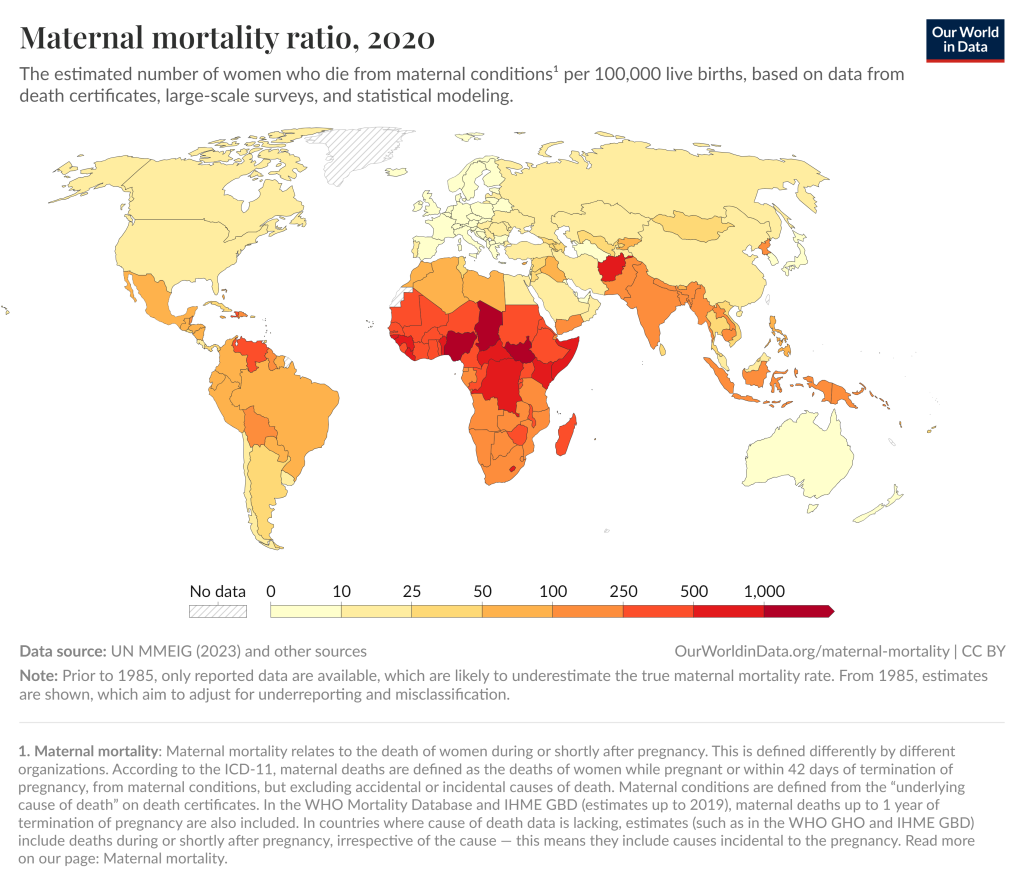
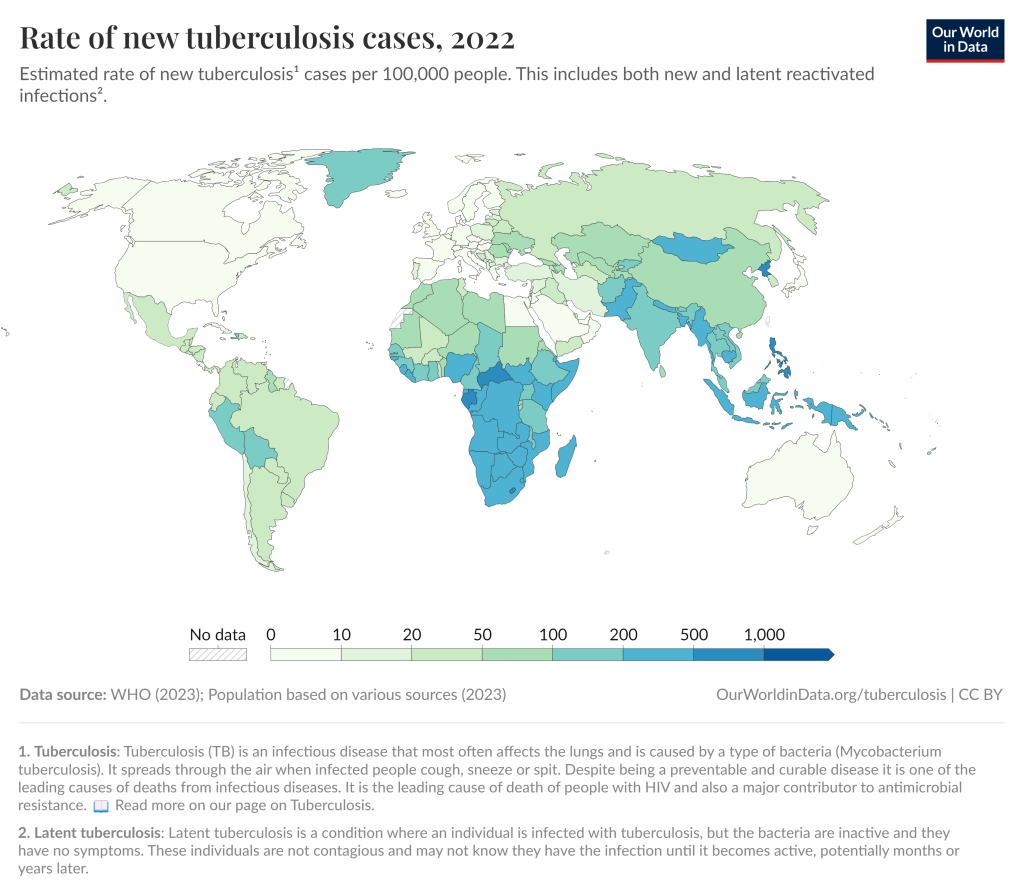
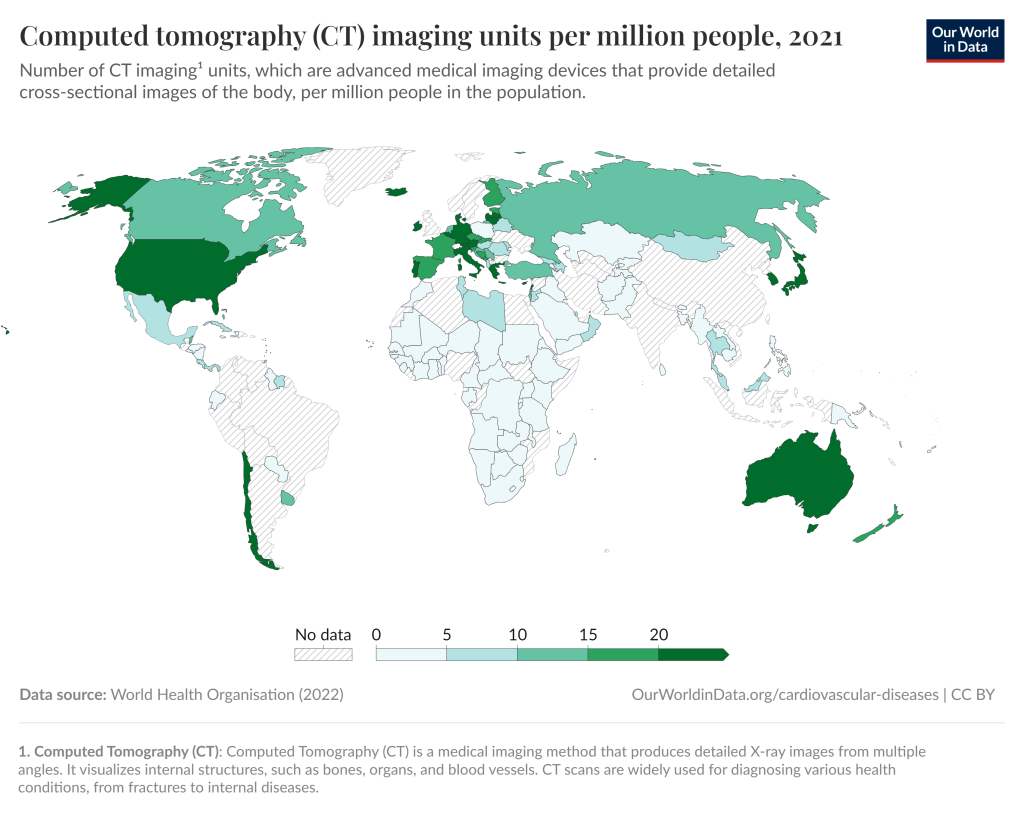
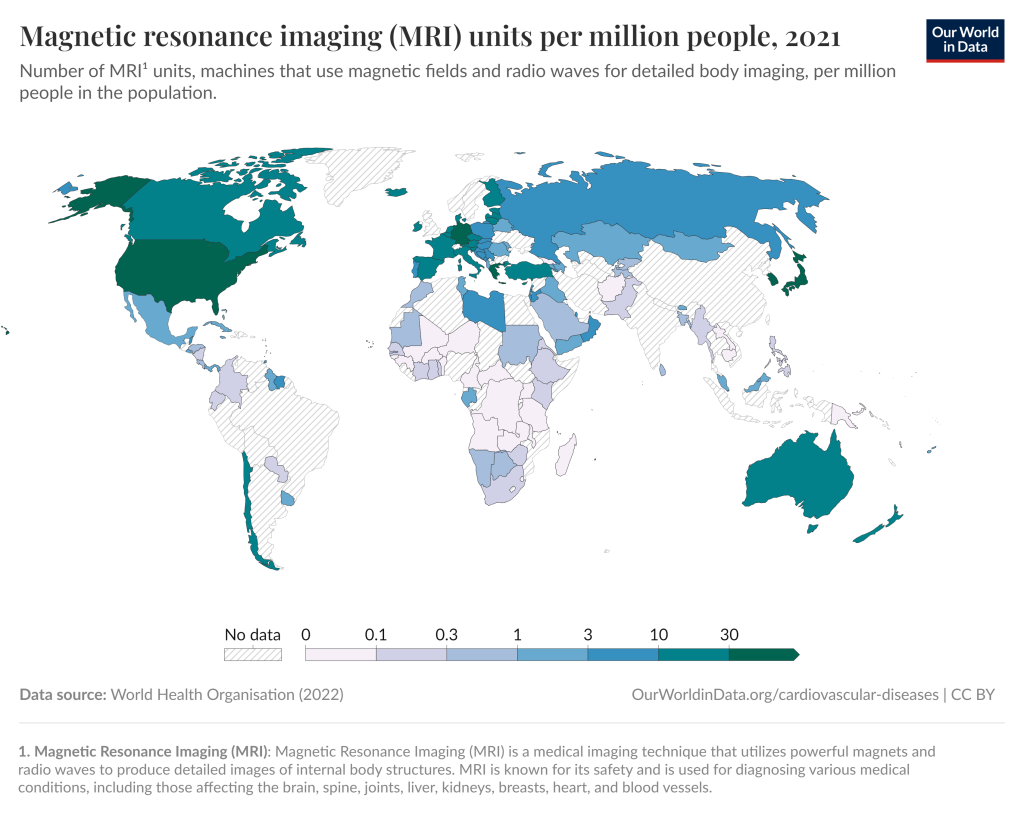
These disparities underscore the urgent need for basic healthcare services in many countries and highlight the significant opportunity for Dutch expertise in diagnostics to make a global impact. Dutch companies possess the innovation and knowledge to help bridge these diagnostic gaps, improving access to critical healthcare tools which in turn leads to economic prosperity. The goal extends beyond just business opportunities—ensuring healthcare as a universal right is essential.
Invest International’s role: bridging gaps and removing barriers
Scaling Dutch diagnostic innovations to international markets is not without its challenges. Many Dutch companies develop niche but highly impactful solutions—such as alternative uses for ultrasounds or low-cost MRIs and CT scans—that are difficult to scale without becoming part of a local healthcare ecosystem. Finding the right local partners to introduce, maintain, and service diagnostic devices is essential for growth.
Scaling also requires substantial upfront investment. For example, companies may need development capital to manufacture their first machines and obtain crucial certifications (such as FDA or CE approval), which can be expensive and time-consuming. Diagnostics, in particular, is a high-risk sector because of its capital-intensive nature.
How Invest International bridges the gap
Invest International steps in to bridge the financing gaps that Dutch diagnostic companies face. By providing development capital, we help companies put their first machines on the market abroad, demonstrating product viability. Once this step is achieved, securing additional funding from commercial banks, angel investors, and venture capital becomes more attainable.
Success Stories in Diagnostics
- Boosting Healthcare in Gaziantep: We provided a €45 million loan to GZT Healthcare Investment B.V., a subsidiary of Rönesans Holding, to support the Gaziantep City Hospital in Türkiye. This project, part of a public-private partnership, will improve regional access to healthcare services, create 8,000 jobs and makes use of Philips diagnostics equipment.
- Philips Diagnostic Services: Philips has been a pioneer in transforming diagnostic healthcare services with innovations such as helium-free MRI and accessible ultrasound technology. Our partnership with Philips has helped accelerate the global rollout of their impactful solutions, improving healthcare access worldwide.
- Delft Imaging in Ghana: Invest International has supported Delft Imaging in its work to enhance diagnostics for Covid and tuberculosis detection in Ghana. Using AI-driven computer-aided diagnostics (CAD) to analyze thorax images, this project plays a crucial role in diagnosing and managing these diseases in an area with limited healthcare infrastructure.
- PSI and BabyChecker in Uganda: We are funding PSI’s platform in Uganda, which uses Delft Imaging’s BabyChecker—a smartphone-based ultrasound designed to make pregnancies safer in low-resource settings. Powered by Artificial Intelligence, BabyChecker helps community health workers detect risky pregnancies and make timely referrals, contributing to safer pregnancies and improved maternal health outcomes.
Through these initiatives, we aim to create an environment where Dutch companies can thrive internationally, while helping to provide the world with better access to diagnostics and healthcare—a vital step in promoting health and well-being for all.
The future of Dutch diagnostics and international opportunities
Looking ahead, the greatest opportunities for Dutch diagnostics companies lie in solutions that address healthcare access and affordability, particularly in low- and middle-income countries. Low-cost MRI and CT scans are essential for making healthcare more accessible, and Dutch companies have the potential to scale these innovations globally. Another exciting avenue for impact is the alternative use of ultrasound technology, a powerful diagnostic tool that can lower costs and improve healthcare access in underserved regions.
Delft Imaging is a shining example of Dutch innovation in diagnostics, particularly in the fight against tuberculosis (TB), and this is just one area where their expertise is making a significant impact. The company’s work in TB screening is essential, but there’s room for further expansion into other health challenges, with Dutch companies poised to take the lead in offering high-quality diagnostics to regions that need it most.
For companies in the diagnostics sector looking to expand internationally, the first step is to reach out to us. Invest International is here to help you explore funding options and connect you with the resources needed to scale your innovations globally.
Start by filling in our funding advisor tool to assess your eligibility for support and get in touch with our team to discuss how we can help you bring your solutions to new markets.