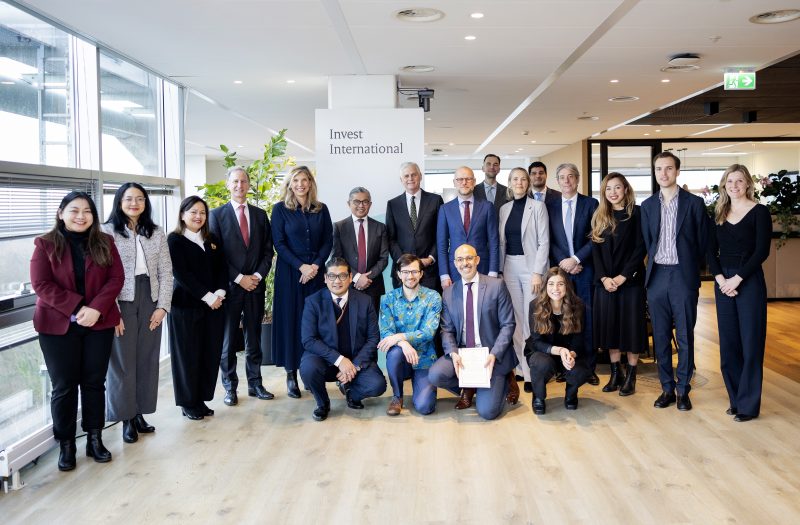
For ten years, the Development Related Infrastructure Investment Vehicle (DRIVE) has been transforming lives through groundbreaking infrastructure projects, from creating water safety to improving urban access. DRIVE combines public funding with private expertise to deliver projects that matter: bridges, hospitals, water systems, and climate solutions. The instrument is managed by Invest International on behalf of of the Dutch minister for Foreign Trade and Development Aid.
What is DRIVE and why was it launched?
DRIVE stands for Development Related Infrastructure Investment Vehicle. The goal of DRIVE is to finance and stimulate public infrastructure projects in developing countries, focusing on key themes such as: water, climate, food security, healthcare and digital infrastructure.
What makes DRIVE unique is its focus on collaboration between government and the private sector, combining public goals with private innovation. DRIVE offers instruments such as grants to governments to enable private financing.
Recent impact figures
DRIVE is making a tangible difference by improving access to healthcare, energy, and water. While also delivering safer roads, bridges, and resilient infrastructure across Africa, Latin America, and Asia. These projects strengthen partnerships between governments and Dutch companies, creating long-term impact. Here’s a snapshot of recent results (data from Invest International):
Between 2023 and 2024, DRIVE projects benefitted 42.3 million people, an average of 21.2 million people per year.
Health
- 15.2 million people gained access to better healthcare through projects focused on health service delivery, medical infrastructure, pharmaceutical access, and health system strengthening.
- Healthy populations drive economic growth. Quality health infrastructure reduces absenteeism, boosts productivity, and stimulates local markets through pharmaceutical supply chains, medical equipment services, and healthcare-related businesses.
Water
- In 2024 alone, 23.5 million people benefited from improved water infrastructure, including clean water sanitation, coastal protection, and maritime navigation.
- Water infrastructure is critical for reliable water for production in the industry, agriculture for improved irrigation and trade for navigable rivers and ports.
- As DRIVE’s largest sector, water projects also deliver climate adaptation benefits. Coastal protection shields port cities from sea-level rise and storm surges, while integrated water management helps communities withstand droughts and floods, building the climate-resilient foundation economies need to thrive.
Energy
- In 2023 and 2024 3.5 million people gained access to energy through projects in renewable energy deployment, grid infrastructure, energy access expansion and energy transition initiatives
- Energy access transforms opportunity: businesses can power machinery, extend working hours, and diversify operations. A resilient energy mix also reduces vulnerability to climate shocks.
“DRIVE was launched to strengthen public infrastructure in partner countries while creating opportunities for Dutch businesses.”
DRIVE-projects that tell the story
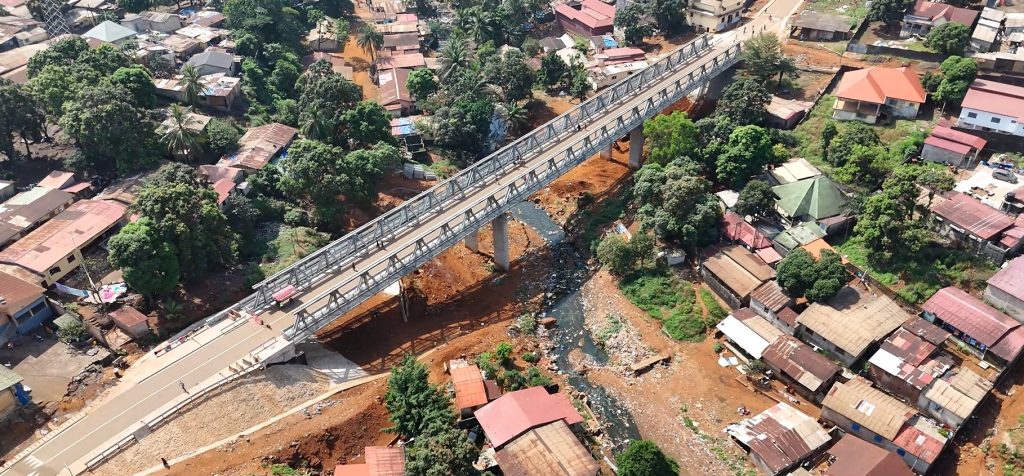
1. Five Bridges in Conakry, Guinea
Conakry’s natural barriers isolate neighborhoods and limit access to hospitals and markets. The construction of five steel bridges and 12 km of new roads will change that.
Investment: €60 million, including a €30 million DRIVE grant, a loan from Invest International, and credit insurance from Atradius Dutch State Business.
Dutch content: Ballast Nedam and at the start of the project Dijkstaal was involved.
Impact: Faster travel, improved access to jobs and healthcare, local employment, and safer infrastructure. Finished in December 2025.
2. Beira General Hospital, Mozambique
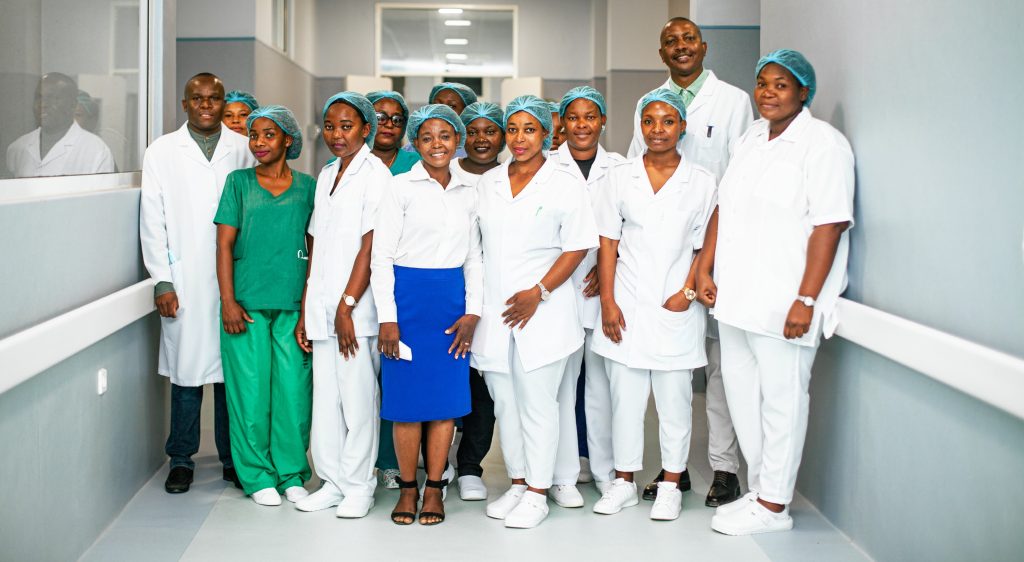
Opened in August 2024, Beira General Hospital is Mozambique’s most advanced healthcare facility, serving 770,000 people. With 300 beds and modern equipment, it offers maternity care, trauma services, and treatment for HIV, TB, and malaria.
Investment: funded by ORIO (predecessor of DRIVE) and developed with Dutch and French partners and Agence Française de Developpement (AFD), the hospital strengthens Mozambique’s health system and saves lives. €11.2 million DRIVE grant and €12 million from AFD.
Dutch content: AMPC International Health Consultants, CEDI Europe.
Impact: Better access to quality care, cost-effective referrals, and a boost to medical training.
3. Four New Hospitals in Sri Lanka
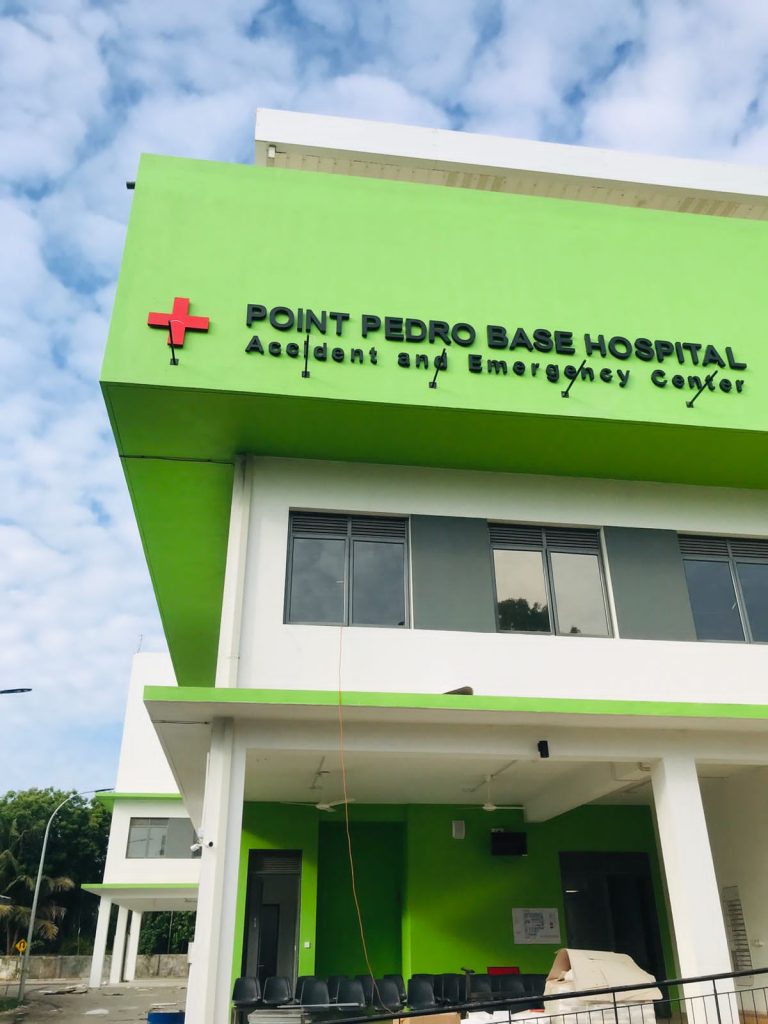
After decades of conflict, Sri Lanka is rebuilding its healthcare system. VAMED Netherlands is constructing four hospitals in the Northern Province, adding capacity for 68,000 patients. Facilities include trauma units, cardiology and nephrology centers, and maternity hubs.
Investment: The €21 million DRIVE grant supports this vital upgrade, combining public needs with private expertise.
Dutch content: VAMED Netherlands.
Impact: Expanded access to care, reduced travel for patients, and improved well-being for medical staff through mental health and trauma training.
Lookout to the future of DRIVE
- In the short term, DRIVE focuses on completing ongoing projects and identifying new ones in priority sectors.
- In the medium term, it aims to expand digital infrastructure, climate adaptation, and income support aligned with the SDGs.
- In the long term DRIVE could become a major lever for sustainable development, with continued involvement from Dutch entrepreneurs, foreign partners, and multilateral institutions.
“DRIVE is evolving,” says Melanie Maas Geesteranus, CEO of Invest International. “We see it as a lever for sustainable development and strategic autonomy, with Dutch businesses playing a key role.”