
Project summary
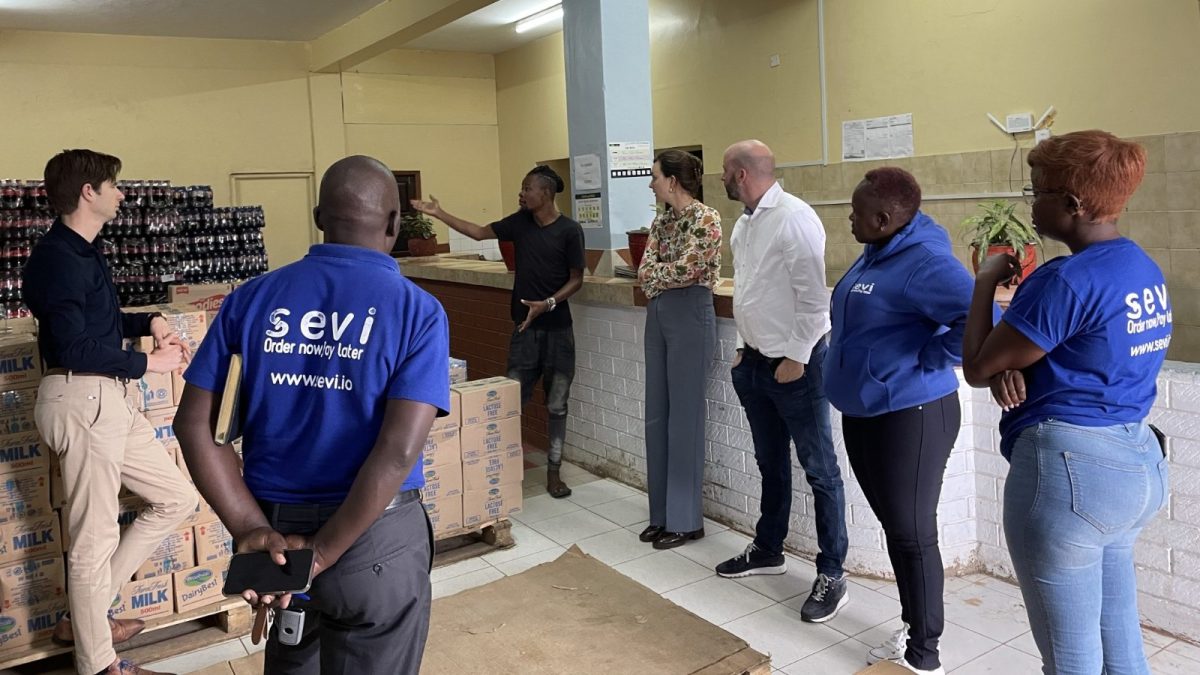
In Kenya, small local shops (“dukas”) and container kiosks are ubiquitous, providing vital opportunities for entrepreneurs to thrive. However, accessing financing for purchasing products on credit poses a challenge. Sevi, a fintech startup, offers a B2B buy now, pay later solution via an app, facilitating credit purchases and easy repayment.
Sevi supplies software to Kenyan funds and banks, reaching small business owners traditionally difficult to serve. Their platform includes IT infrastructure, an app, KYC process, and automated payments, aiding Micro, Small & Medium Enterprises (MSMEs) in managing cash flow. This benefits both buyers lacking immediate cash and sellers aiming to boost sales.
By leveraging advanced technology, Sevi enables vendors to efficiently extend credit to eligible buyers. Notably, sellers receive 80% of the sale proceeds instantly while Sevi manages credit and risk, streamlining transactions and fostering economic growth.
Project impact
Generating decent work and income
Presently, Sevi employs 20 people in Kenya, with plans to expand to 365 by 2026. All employees receive a fair living wage, in line with SDG 8.
Impacting the Dutch economy
The number of jobs in the Netherlands is expected to grow from 4 jobs in 2024 to 23 by 2026; the turnover from Kenyan activities is expected to surpass 7 million euros.
Promoting gender equality
Sevi's clientele comprises 60% female store owners, enhancing access to capital for women entrepreneurs and contributing to SDG 5.
Increasing access to financial services
Sevi enables access to financial services and affordable credit through innovative solutions, contributing to SDG 9.


Want to know more about this case? Contact me.

