
Project summary
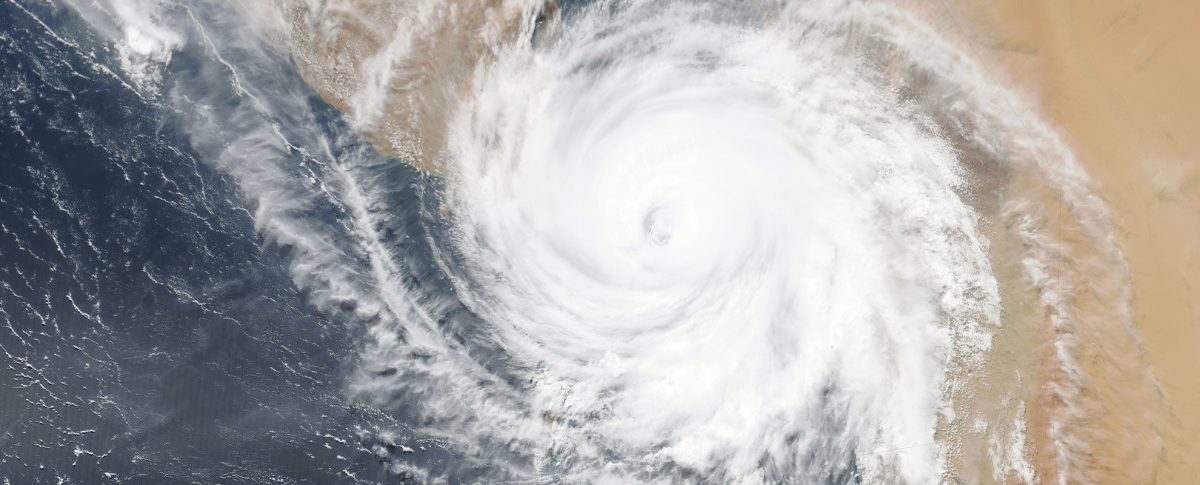
In 2019 Cyclone Idai devastated Mozambique, causing significant damage to Beira. Nearly 90 percent of the port city was damaged or destroyed, with many fatalities. Contributing factors include climate change, population growth, coastal erosion and urban expansion, all of which have heightened Beira’s vulnerability. The projected rise in sea levels exacerbates the challenges faced by the city.
Since many residents live in potential flood areas, there is an urgent need for a future-proof coastal protection and resilience strategy. This necessity prompted the Beira project, consisting of studies into a coastal protection plan. The project aims to understand essential infrastructure requirements, cost-effectiveness, urban integration and the environmental and living condition implications for the city situated at the heart of the Pungwe River Delta on the Indian Ocean.
The studies, costing around €2 million, are financed by Invest International through the Develop2Build (D2B) programme, as part of the collaboration between the Mozambican government, the KfW bank and the World Bank. The development of the strategy forms part of the Cyclone Idai and Kenneth Emergency Recovery and Resilience Project (CERRP) of the World Bank.
Project impact
Better, resilient infrastructure
The project aims to create a durable coastal protection plan for Beira, safeguarding the port city and its 600,000 residents from floods, erosion and climate-related and natural disasters.
Improving living conditions
More resilient infrastructure is expected to stimulate socio-economic development and creating opportunities for decent work and wages, strengthening the Mozambican economy.


Want to know more about this case? Contact me.

