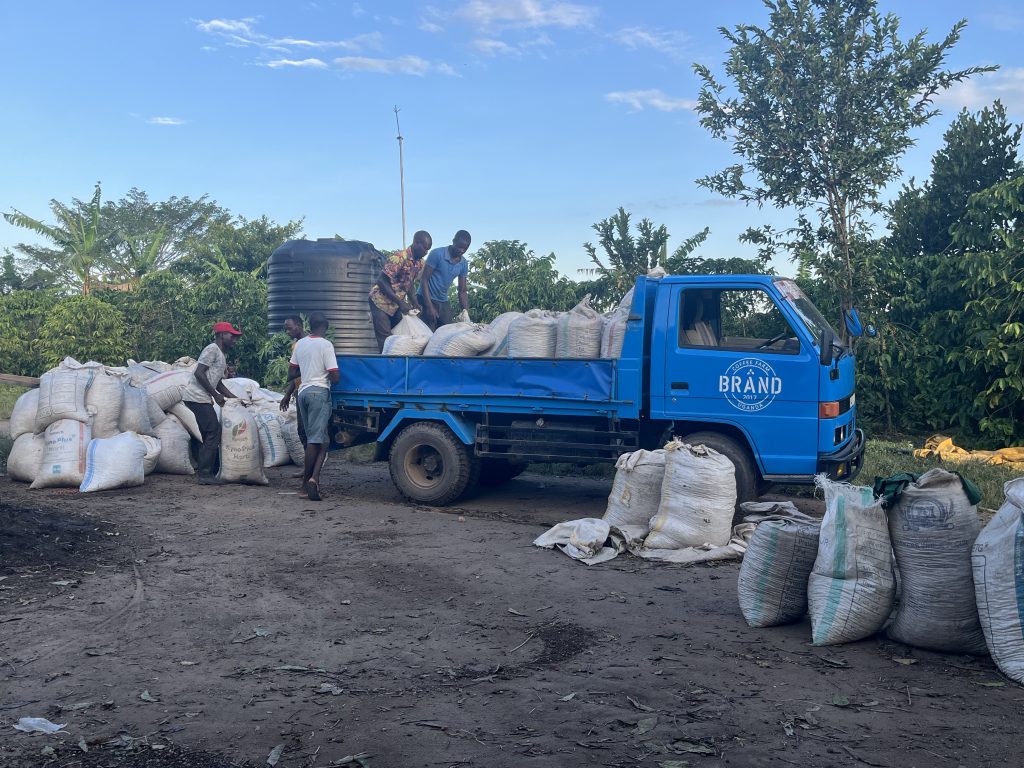
The first container of Brand Coffee Farm coffee arriving in Rotterdam in January 2026, marks more than a successful shipment. It is the proof point of a blended-finance journey: early-stage support to build a model farm and community programme, followed by targeted lending to professionalise processing and scale quality. But it also underlines what becomes possible when capital is paired with technical assistance focused on local needs and a clear implementation strategy. Resulting in a partnership that strengthens farming practices and livelihoods across a community.
900 coffee farmers
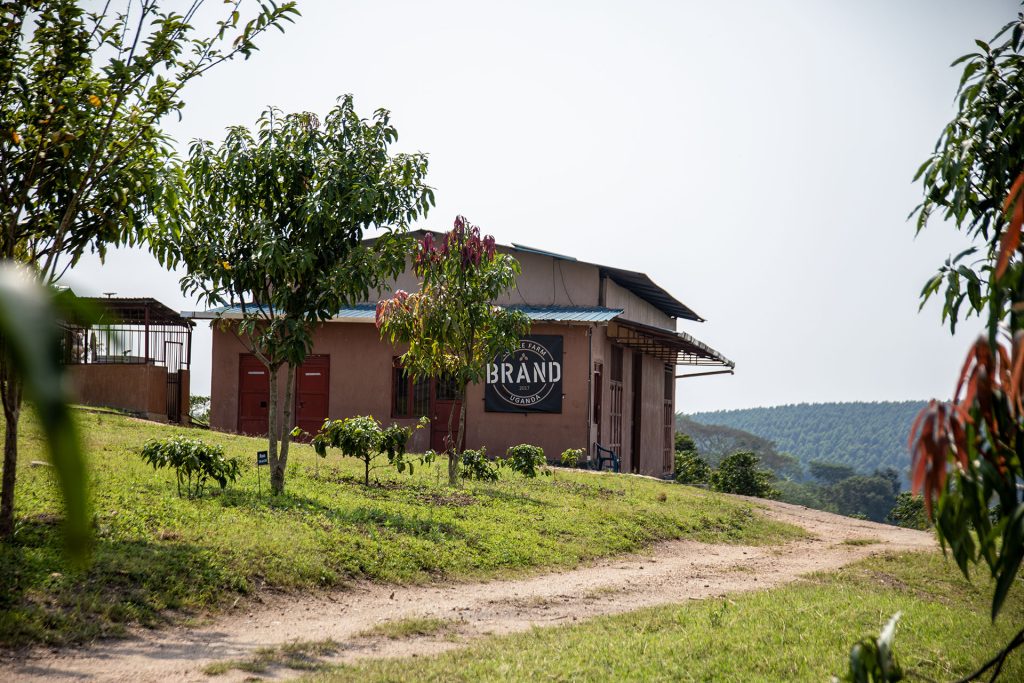
Brand Coffee Farm, established in 2017 by Jim Tersteeg in Uganda’s Mubende district, was designed as an agro-ecological commercial demonstration farm. The aim from day one: demonstrate how high-quality, value-added canephora (commonly known as Robusta) coffee can be produced in a regenerative system, and use that model to upskill the surrounding smallholder community. Today, more than 900 coffee farmers in and around the area are connected to this learning ecosystem through training and youth-led support.
Robusta vs canephora coffee
For decades, Robusta has been treated as coffee’s workhorse, a low-value commodity used primarily to bulk out blends and reduce costs, rarely given the respect afforded to Arabica. This perception is rooted in misunderstanding. Robusta is not a separate species; it is a single variety within the species Coffea canephora. The dominance of the term Robusta over the more accurate Canephora reflects years of undervaluation and misrepresentation of the species.
“Brand Coffee Farm is changing the narrative around Canephora coffee by proving that quality depends on process, not species, and by empowering farmers with regenerative practices.”
Innovative approach to coffee
The devaluation of Robusta is most often attributed to a bitter, harsh flavour profile that has been framed as innate to the species and, as a result, fails to command the same quality premium among consumers. In reality, these characteristics are far more a product of poor agronomic and critically post-harvest practices. When cherries are harvested inconsistently, fermented without control, and dried without reliable protection from humidity, quality suffers and inevitably becomes uneven.
Brand Coffee Farm’s approach has been to remove these constraints systematically:
- The farm trains selective picking and harvest timing and applies clear quality protocols.
- On the processing side, it focuses on traceability and repeatability.
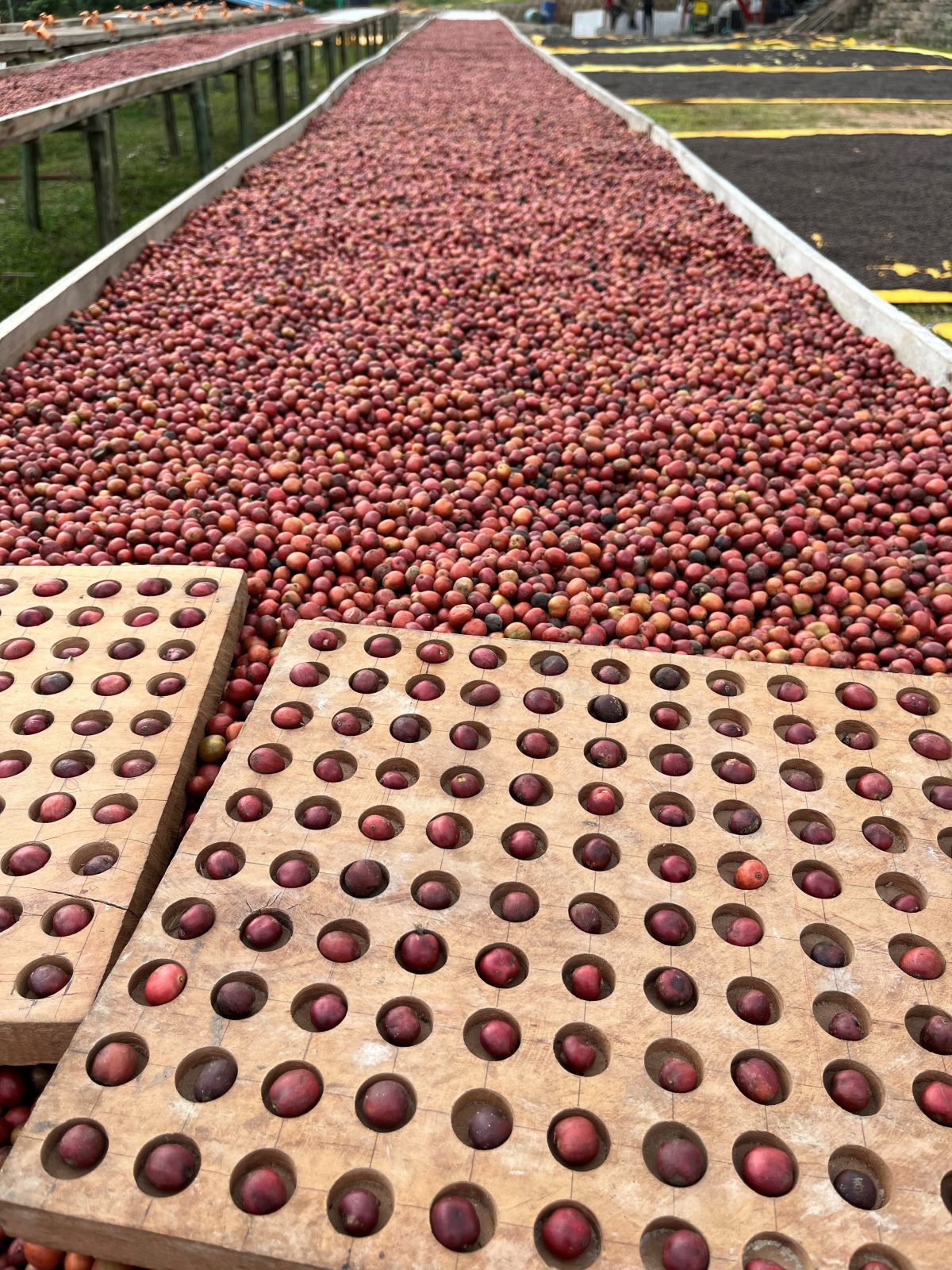
- Think of: clean separation of lots, controlled washing and fermentation steps, and structured drying processes to reach target moisture levels consistently.
- This is how canephora moves from undifferentiated commodity to a product that can be profiled, scored, and marketed on its own merits.

Early stage financing
“Our engagement began with an initial pre-investment support subsidy to help establish Brand Coffee Farm and launch a community-focused programme. This enabled the farm to build training capacity and demonstrate regenerative practices in the field, side-by-side with farmers, rather than relying on classroom-style extension alone”, says Anne Ligthelm, Invest International’s Team Lead Startups.
“Through the programme, smallholders learned practical, low-cost improvements to boost resilience and yields. They applied regenerative agroforestry principles like shade management, tree integration and biodiversity. Soil-cover strategies helped reduce erosion and retain moisture. Circular nutrient management through composting and mulching was introduced. Farmers also learned to make and use organic fertilisers and bio-pesticides from local inputs, cutting reliance on costly external products and improving soil health over time”, tells Jim Tersteeg, founder and owner of Brand Coffee Farm.
Investing in post-harvest infrastructure
“After the farm’s initial set-up phase, Invest International continued its support through a Dutch Good Growth Fund start-up loan that enabled the next wave of investment. A central priority was post-harvest infrastructure, because quality premiums largely depend on control at the processing stage. The farm invested in a coffee washing station and improved drying infrastructure, including raised beds and greenhouse-style drying solutions that reduce the risks of rain and high humidity during critical periods”, adds Anne Ligthelm.
These investments directly affect cup quality and consistency, two factors that determine whether a producer can build long-term buyer relationships.
“The Rotterdam container is a milestone for the entire value chain: it signals that the farm’s quality system can meet export-market expectations at scale.”
Regenerative farming as a business model
Brand Coffee Farm’s regenerative approach is not framed as a separate “impact add-on.” It is the production strategy, its entire underlying philosophy. Agroforestry buffers heat and water stress, improves soil structure, and supports biodiversity. Circular practices, from composting, mulching to careful nutrient cycling, reduce input dependency and increase long-term productivity.
Beyond coffee, the farm has introduced income diversification pathways aligned with agro-ecological principles. Beekeeping, including the use of local hives, supports pollination and generates additional income. Oyster mushroom breeding creates a locally replicable enterprise option that can be run alongside coffee farming. Diversification strengthens household resilience, which in turn supports long-term adoption of improved practices.

Youth groups supporting farmers
One of the most durable outcomes of the partnership has been the establishment of youth groups that operate as a ‘train-the-trainer’ network. With Invest International’s backing in the early phase, Brand Coffee Farm initiated youth-led teams that receive practical training and then provide continuous support to farmers in their own communities. This model keeps knowledge local, reduces reliance on one-off project workshops, and creates meaningful rural employment.
By combining technical learning with service delivery, the youth groups help farmers implement changes in real time—tree establishment, compost preparation, application of organic inputs, and improved harvest discipline. Over time, this peer-to-peer model creates a community norm: good practices become visible, shared, and repeated.
“If you want people to farm differently, you must make it economically possible and practically doable. Invest International helped us bridge that gap.”
Future farmers education
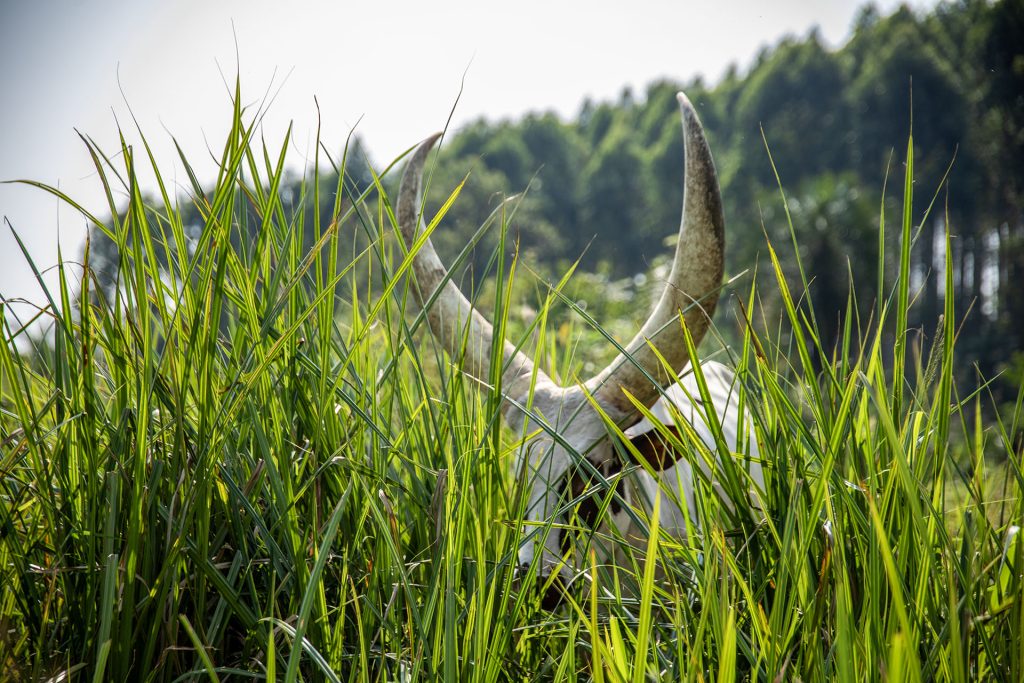
Alongside farm development and financing, Invest International’s support included technical assistance aimed at creating broader impact among neighbouring farmers. In practice, this means strengthening the structures that make adoption stick—demonstration plots, farmer field sessions, and linkages to local institutions. It has also included community-facing initiatives such as engaging schools through practical farming education, helping nurture a new generation that sees agriculture as skilled, modern and viable.
From investment to impact
Brand Coffee Farm illustrates how blended finance can unlock a virtuous cycle. Early subsidy support helped build capacity and de-risk adoption; subsequent lending accelerated infrastructure improvements that protect quality; improved quality and traceability create access to better markets; and stronger market performance supports reinvestment in regenerative systems and inclusive community services. The result: a premium product and a stronger and more resilient local value chain.
“We wanted to build something that farmers could trust because they can see it working,” says Jim Tersteeg. “If you want people to farm differently, you must make it economically possible and practically doable. Invest International helped us bridge that gap, first by supporting the model and the training, and then by financing the infrastructure that protects quality. Now the market can taste the result.”
What comes next
The first container in Rotterdam is not an endpoint; it is a steppingstone. Brand Coffee Farm’s priorities include scaling its regenerative agroforestry approach, refining compost and bio-input protocols, expanding the youth-trainer model, and deepening long-term relationships with European buyers who value transparency, consistent quality and verified sustainability. Each future shipment will represent more than coffee: it will represent a replicable model for how agricultural finance can create shared value—from soil health and farmer livelihoods to export performance.